Mineral and metal deposits can impact your hair health.
You might be aware that London has some of the hardest water in the UK, but do you know what that means for your hair? “When people move to London, they often really notice a shift in their hair, but they don’t realise it’s because of the hard water,” says Matilda Collins, senior director at Paul Edmonds London. “That’s why we have a filtration system in the salon to soften the water.” Here, Matilda explains the different ways hard water can affect hair and what you can do about it.
WHAT IS HARD WATER?
“Hard water contains a higher level of calcium, magnesium and copper deposits than soft water. It’s because of the chalk and limestone the water passes through to get to our houses. If you notice limescale accumulates quickly in your kettle or around the shower, you’re probably in a hard water area. You can find out for sure by putting your postcode into a water quality checker online, and it will give you a number or a category from soft to very hard.”
The best shampoos for hard water areas:

HOW DOES HARD WATER AFFECT HAIR?
“Because hard water is higher than the natural pH of your hair, it raises the pH level, which makes the cuticle open, and therefore moisture and colour pigment can seep out quicker. That means hair feels drier, is more prone to breakage, and the colour will fade, so brunettes look more dull and blonde goes brassy.
“At the same time, the mineral deposits form a layer on the hair. Hair looks less shiny because the light can’t be reflected, and the buildup on the scalp can make your hair feel greasy or cause hair shedding because the follicles are clogged. The effects increase over time if you don’t get rid of the buildup. The hair becomes weaker, so you might see more breakage.”
HOW DOES HOMECARE HELP WITH HARD WATER?
“The best thing you can do to prevent hard water damage is to get a shower filter to reduce as much of the mineral content as possible. These attach to your plumbing or shower head.
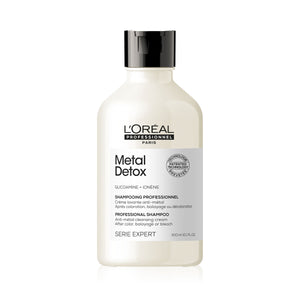
“Using the right home haircare products is really important too. To strip away the hard water buildup, you need a shampoo with chelating agents like Oribe The Cleanse Clarifying Shampoo or L'Oréal Professionnel Série Expert Metal Detox Shampoo.
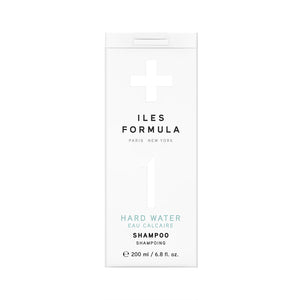
“If you live in London or any hard water area, I really recommend the Iles Formula Hard Water Shampoo, which is formulated to lather up nicely and work better with hard water. My clients notice such a big difference when they use that. It’s more like a pre-shampoo treatment, so the best thing to do is use it for one wash, then follow it with the Iles Formula High Performance Shampoo. If you wash your hair twice a week, do that once, then alternate with your usual shampoo.
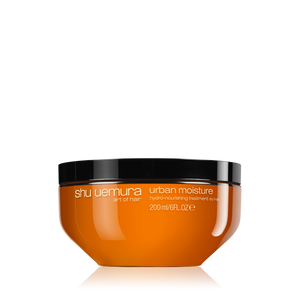
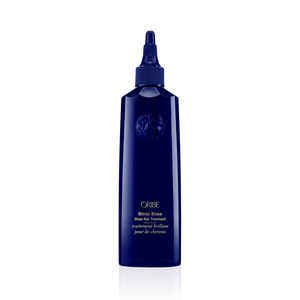
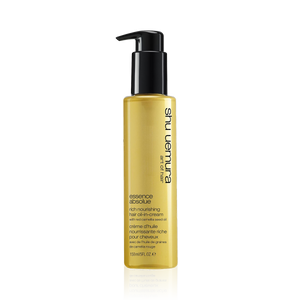
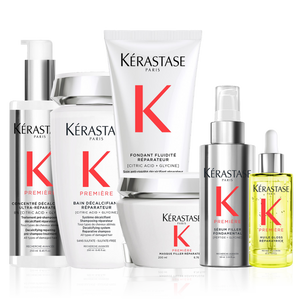
“If you’re struggling with scalp buildup, I recommend using Davines Naturaltech Detoxifying Scrub Shampoo once a week as well. If the lengths feel rough, brittle or coated, the Kérastase Première Ultimate Hair Repair Bundle is a great option too, this routine removes excess calcium (mineral) buildup from hard water while helping to repair and strengthen the hair, leaving it softer, smoother and shiner. You can also add hydration and shine back in with the Shu Uemura Urban Moisture or Oribe Supershine range. A serum like Shu Uemura Essence Absolue helps to seal the cuticle too.”


HOW DO SALON TREATMENTS HELP WITH HARD WATER?
“Salon treatments use professional-grade ingredients, balance the pH level and work deeper within the hair than homecare products, so they’re really effective if your hard water has made your hair dry or dull. Your hair will feel really moisturised and shiny after, especially at Paul Edmonds, because we have a filtration system that softens the water.
“Your stylist will be able to assess your hair and recommend the best treatment option. It might be L’Oreal Metal Detox to remove metal particles before a colour appointment, Ultimate Protein Repair, which repairs damage, or Collagen Infusion, which adds lots of moisture.”
FREQUENTLY ASKED QUESTIONS
Q: Is London water bad for hair?
A: London has some of the hardest water in the UK because mineral and metal particles accumulate in the water supply as it passes through chalk and limestone beneath the city. These deposits can build up on the hair shaft, causing dryness, dullness and colour fade. You can still have healthy, shiny hair in London by taking steps such as using a water filter, tailoring your homecare products, and having repairing salon treatments.
Q: Does hard water really damage your hair?
A: Hard water doesn't damage hair in the same way bleach or heat does, but mineral buildup can cause breakage. Over time, the particles that coat the hair shaft can raise the cuticle, making hair more prone to dryness and snapping, and clogged follicles on the scalp can also lead to hair shedding. Hard water also prevents products like shampoo and conditioner from working as effectively as they should.
Q: Does hard water affect coloured hair?
A: Yes. Blonde hair is particularly affected by hard water, as copper deposits in the water can oxidise on the hair, leaving it looking yellow or brassy. Hard water also raises the pH of the hair, which forces the cuticle to open and allows pigment to escape more quickly, so brunette or darker hair may fade faster than usual.
Q: Which Paul Edmonds treatment is best for hair affected by hard water?
A: Your hair stylist will be able to recommend which salon treatment is best for counteracting the effects of hard water. For dryness and dullness, the Collagen Infusion treatment adds moisture and shine. The L’Oreal Metal Detox to removes metal particles and is often done before a colour appointment, while the Ultimate Protein Repair rebuilds the broken bonds found in damaged hair.
The hard truth
Living in a hard water area like London can, unfortunately, leave your hair looking dull, dry and faded, with the impact of mineral and metal deposits increasing over time, but there are ways to prevent and repair hard water damage.
Our advice? Use products formulated to work well with hard water or a chelating shampoo to remove the particle buildup. Professional salon treatments will help restore moisture and shine, and you might want to consider installing a shower filter to soften your water at home.
Wondering if hard water has affected your hair? Find out with a consultation at Paul Edmonds London.