


The modern guide to radiant hair (and what your hair actually needs)
Shiny hair has always been desirable. But today, shine has evolved. It’s no longer about heavy products or over-styling, it’s about precision, restraint and hair that looks healthy rather than coated.
Gloss, glaze and shine treatments are often used interchangeably, yet each works in a very different way. Understanding the difference is the key to choosing the right service and avoiding unnecessary treatments that mask problems rather than resolve them.
At Paul Edmonds London, shine is never generic. Every approach is guided by cut, colour history, hair density and lifestyle ensuring the result looks refined, effortless and intentional.
Why Gloss, Glaze and Shine Are Trending Now
Today’s clients are prioritising:
-
Healthy-looking hair over dramatic change
-
Low-maintenance refinement
-
Services that enhance rather than mask
Environmental stress, London’s hard water and frequent heat styling all disrupt the cuticle. Shine-focused services now sit at the centre of a modern haircare routine not as an optional extra.
Gloss, Glaze or Shine, What’s the Difference?
Hair Gloss

Precision tone enhancement with reflective shine
A hair gloss refines colour while smoothing the cuticle, allowing light to reflect evenly across the hair. It can be clear or lightly pigmented, making it ideal for refreshing colour without the commitment of permanent dye, when it comes to modern luxury hair gloss services are the gold standard to hair looking controlled and quietly expensive.
Glosses are commonly used to:
-
Restore depth and richness
-
Neutralise brassiness or flat tones
-
Enhance reflection without darkening the hair
Results typically last three to six weeks, fading softly and evenly.
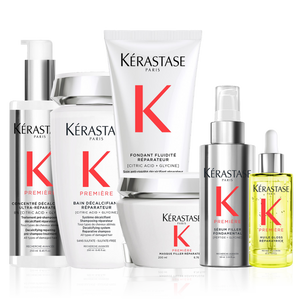
For maintaining this finish between appointments, stylists often recommend the Kérastase Chroma Absolu Range, which supports colour clarity and shine without build-up.

Hair Glaze

Instant shine, minimal commitment
A glaze works primarily on the surface of the hair, coating the cuticle for immediate softness and reflection. It doesn’t significantly alter tone, which makes it ideal when hair feels dull but the colour still looks balanced. Glazes are the perfect immediate result of polished hair without long term obligations.
Glazes are popular:
-
Before events or travel
-
As a low-commitment refresh
-
For clients new to shine services
Results usually lastone to two weeks but can be extended depending on your lifestyle and hair condition.
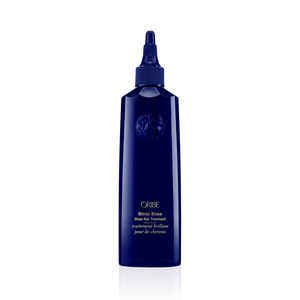
For a high-reflective editorial finish, Paul Edmonds Artistic Director Alfie recommends Oribe Mirror Rinse Glass Treatment from the Supershine range “I love using this product as it delivers a glass-like shine to hair with movement rather than stiffness”.
Shine Treatments

The foundation behind lasting luminosity
True shine starts beneath the surface. Shine treatments address internal structure, hydration levels and cuticle disruption, the factors that determine how light reflects from the hair.
At Paul Edmonds London, restorative shine services include professional treatments such as Collagen treatment infusing the hair with amino acids to repair and strengthen the cuticle, SAM (Strength, Acidic, Moisture) treatment, which strengthen bonds while improving surface smoothness. Hair needs to be healthy underneath for Gloss and Glaze treatments to perform properly.
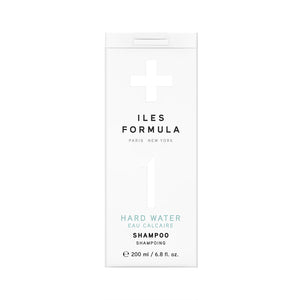
Often your environment will affect the hairs structure and innovative products that remove metal or limescale deposits that can ultimately lead to breakage can help restore the hairs health and vitality back to its natural self,
These treatments are often recommended:
-
After lightening or colouring
-
When hair feels rough or fragile
-
Following holidays, hard water exposure or heat damage
Product recommendations;
Is Hair Gloss Actually Good for Your Hair?
This is one of the most common questions we’re asked and the answer depends entirely on how the gloss is used.
When correctly selected and professionally applied, gloss treatments:
-
Improve cuticle smoothness
-
Enhance colour clarity
-
Reduce porosity and frizz
What causes damage is overuse or applying gloss where repair is needed first. Gloss is not a substitute for treatment it’s a refinement step.
Gloss vs Toner, Why They’re Not the Same

Although often confused, glosses and toners serve different purposes.
-
Toners are corrective and often stronger, used primarily after lightening services for example to remove brassiness or shift colour tone slightly cooler or warmer. They are applied using a developer to adjust the underlying pigment of the hair
-
Glosses are refining, enhancing shine and tone without aggressive adjustment, they create a laminated look to the hair without changing colour or tone. They are applied with or without a developer, but the key is the PH level as they tend to be acidic so they improve conditioner rather than correct it.
In many cases, a gloss achieves the desired result with far less impact on the hair, which is why it has become the preferred option for modern colour maintenance.
Gloss, Glaze and Frizz, What Actually Works?
Many clients searching for shine are really trying to control frizz.
Glosses and acidic treatments work by smoothing the cuticle and restoring pH balance reducing frizz with out straightening or compromising natural texture.
This makes them ideal for:
-
Curly or wavy hair
-
Humidity-prone environments
-
Clients who want control, not stiffness
Gloss for Fine Hair: What to Know First
A common concern is whether shine services will flatten fine hair.
Modern formulations such as Kérastase Gloss Absolu, now expanded for fine, medium and thick hair allow shine to be tailored by density rather than applied universally.
The right gloss should enhance movement, not suppress it.


Why the Right Haircut Makes Gloss Look Better
Shine is often associated with products, but it is just as dependent on structure.
A well-balanced haircut allows light to reflect evenly through the hair, which means gloss sits more naturally and requires far less product to achieve a polished result. Where a cut is over-layered or imbalanced, light is disrupted and finishes can appear heavier or more styled than intended.
Cutting technique also plays a role. Razoring can be effective for creating softness and movement, but when overused or applied at an extreme bevel it can compromise the hair’s condition, leading to dryness or frizz over time.
How to Maintain Glossy Hair Between Salon Visits
Longevity depends on the right home care.
-
For lightweight luminosity: Davines Heart of Glass
-
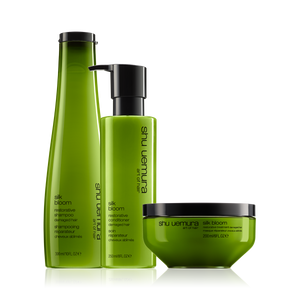
For deep repair with silkiness: Shu Uemura Silk Bloom
-
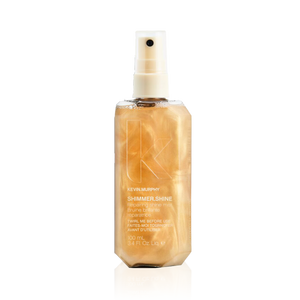
For colour sealing: Kevin Murphy Everlasting.Colour and Shimmer.Shine
- For personalised shine across all densities: Kérastase Gloss Absolu
Products are layered intentionally, finished with heat protection essential for preserving cuticle integrity.



Which One Does Your Hair Need?

-
Dull, flat or brassy → Gloss
-
Healthy but lacking polish → Glaze
-
Rough, dry or compromised → Shine treatment first
Not every client needs a gloss sometimes the right treatment, haircut adjustment or home care solution is the better choice.
Shine should never feel artificial or automatic.
Whether your hair needs the refinement of a gloss, the immediacy of a glaze or the restoration of a shine treatment, the right approach enhances what’s already there.
At Paul Edmonds London, shine is bespoke, restrained and considered because true polish is never one-size-fits-all.
Book your hair consultation today at Paul Edmonds London