


Health is wealth, so the saying goes, and that applies to hair as well.
As wellness has gone from being a niche interest to a mainstream phenomenon, strong and shiny locks have become the ultimate lifestyle flex. On a par with having a glowing complexion and a twice weekly pilates habit, quiet luxury hair is the status symbol everyone wants now.
What does hair in peak condition actually look like? “Healthy hair is about strength, shine, and moisture,” says senior director Matilda Collins. “If your hair's glossy, it'll hold your colour for longer. Especially with blondes, you get a lot of different tones coming through if it's damaged and going brassy.”
Damage is caused by a variety of internal and external factors and can accumulate slowly over time, resulting in a lifted cuticle (the outer layer of the strand). “That’s when you start to see rougher hair, you get split ends, breakage and more frizziness than usual,” Matilda explains, and with curly hair you might notice an uneven curl pattern.
Optimising your hair health is even more important if you want to tap into the major 2026 hair trends like lived-in blonde, a choppy bob or a bixie cut.
“Blonde changes a lot if the hair's damaged,” Matilda says. “If it goes more coppery or the hair's snapping, you can't get that glossy, lived-in blonde. With choppy bobs, it's about having those soft layers that create movement, but the drier and more coarse your hair is, the layers become too chunky.”
So what’s the best way to improve your hair health? We asked Matilda to answer some key questions about the environmental and lifestyle factors that cause damage and how to keep your hair looking luxuriously healthy…
HOW DOES SUN DAMAGE HAIR?
“When you’ve been in the sun, your hair gets dry more quickly, and UV rays affect the colour. Everyone knows that when you go in the sun over summer, your hair goes lighter, which can be great, or it can change the tone of your hair detrimentally. It can make your hair look more orangey, and it can also damage the hair at the same time. The other thing you need to be careful of is burning your scalp, because you're also damaging your follicles.”

HOW DOES WINTER WEATHER AFFECT HAIR?
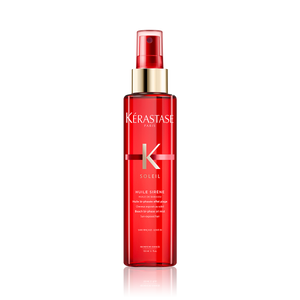
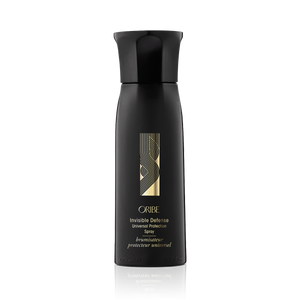
“In winter, the main thing people notice is the moisture shift in their hair, and because it's damper outside, the frizz will come quicker. Even though it's less sunny in winter, you still need to be wary if you're skiing as there’s such a high UV level reflected from the snow, so you still need to use UV protection on your hair.”
IS HARD WATER BAD FOR HAIR?
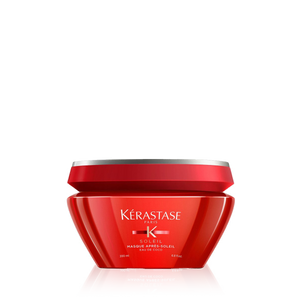
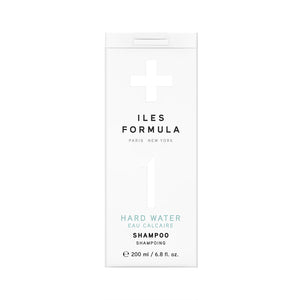
“Hard water, which we have in London, contains mineral particles that build up within the hair. You might start to notice the hair getting dry or breaking more, and you can actually get hair loss over time from hard water. You may also notice colour fading or going more gingery because hard water oxidises the colour pigment. To counteract hard water build-up, the Iles Formula Hard Water Shampoo is amazing.”
HOW DOES POLLUTION AFFECT HAIR?
“Pollution works in a similar way to hard water on the cuticle of the hair. It gradually starts to go into the hair and oxidises, which can cause colour fade or dullness. Plus, if pollution particles build up on your scalp, they're gradually blocking the follicles and preventing hair growth.”
WHY IS SCALP HEALTH IMPORTANT?

“A bit like grass growing in poor quality soil, if you've got an unhealthy scalp, you're not going to get that same quality of hair coming through because your hair follicle is not getting the nutrients it needs. The strands of hair are not as strong as they should be, and they may be drier because the moisture is imbalanced on your scalp. An unhealthy scalp can lead to hair loss as well.
“A lot of clients notice it starting with itchiness or irritation, or we spot issues in the salon before clients even know anything is wrong. If there’s a specific concern, we’ll usually recommend booking a full scalp consultation with the tricho camera, then we can do targeted treatments or advise a client to see a dermatologist if necessary.”
HOW DO DIET AND NUTRITION IMPACT HAIR HEALTH?
“Protein is the most important macronutrient for hair health, so you’ve got to make sure you’re getting enough in your diet to help make your hair stronger. If you're lacking certain vitamins, your hair might come through finer or sparser. A lot of clients I see with hair shedding and thinning suffer from low iron and might need a supplement. Vitamin D is another essential hair vitamin, so you might want to take a supplement in winter when we can’t get it from sunlight as much.”
DO HAIR GROWTH SUPPLEMENTS WORK?
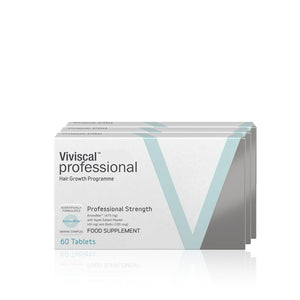
“I personally think everyone who wants strong and healthy hair should take a vitamin hair supplement all year round. There are so many on the market, the main difference between them being the concentration of each vitamin, which usually includes biotin and Vitamin D. I’m a big fan of Viviscal, which contains AminoMar, a marine complex which promotes a strong hair follicle.”
HOW CAN SCALP TREATMENTS IMPROVE HAIR HEALTH?
“The main thing scalp treatments do is detoxify. They’re helping to clear the external aggressors to create a healthier balance of your sebum levels, so we can then prescribe a shampoo for use at home. For example, with the Oway treatments we’ve got in salon, there's one for dandruff, there's one for soothing, which is for people with sensitive scalps, and there’s one for oily scalps.”
ARE PROFESSIONAL HAIR PRODUCTS WORTH THE COST?
“They really are, because they have a much higher concentration of each ingredient compared to high street products. Cheaper products might give a nice silky feeling to your hair, but that could actually be due to a build-up of silicone on the hair rather than actually treating the strands, whereas a lot of professional products are now silicone, paraben and sulfate free. It’s better to invest in good quality products, especially if you have a tint or solid colour that fades quickly, so you can get a few extra weeks out of your colour.”
WHAT PRODUCTS DO YOU NEED IN A HAIR HEALTH ROUTINE?
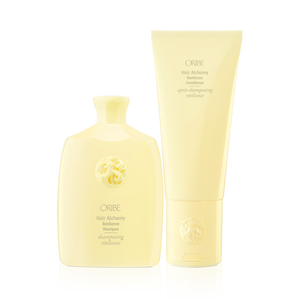
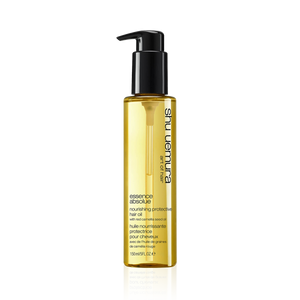
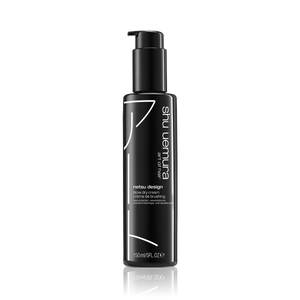
“No one needs a bathroom full of hundreds of products! For washing, you need a good quality shampoo and either conditioner or a mask, if you prefer to do a once-a-week treatment. To maintain moisture, you need something to penetrate inside the strand, so an oil, serum or a cream-based oil, depending on the thickness of their hair and how oily it gets. Finally, you need your external product, so UV protection if you're going in the sun, or heat protection if you do a lot of heat styling.”




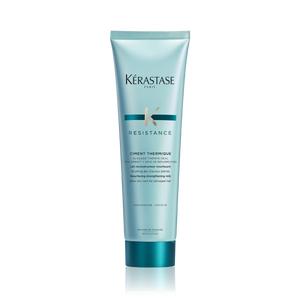
Get your hair health sorted at Paul Edmonds London
From scalp issues to split ends, our team of expert stylists have got the knowledge to solve any hair problem, big or small.
Got a quick question or need a product recommendation? Ask your stylist at your next appointment. For more persistent concerns, a scalp consultation includes in-depth analysis and a targeted treatment.Choose from our extensive list of nourishing hair and scalp treatments at Paul Edmonds London.