A perfectly personalised haircut should be flattering and easy to style.
In the last few years, we’ve seen an endless parade of hyper-specific hair trends come and go. From cherry cola colour to the jellyfish cut, these looks can certainly make an impact, but they tend to be very high-maintence and date quickly. But recently, we’re seeing a move towards styles that prioritise flexibility and personalisation. That’s why versatile cuts and adaptive fringes that you can style in a variety of ways are becoming increasingly popular in 2026.
What is a versatile haircut? “It means a style that is going to work for your hair type, while also being easy to style,” says Jennie Manzi, artistic director at Paul Edmonds London. “If you've got curly hair, you need to be able to just wash it and let it air dry. If you want to wear it smooth, you need to be able to smooth it out.”
The opposite of a versatile haircut would be something like Vogue editor Anna Wintour’s iconic bob, which requires precise styling to achieve the rounded shape and high-shine finish.
A bob could still be a versatile cut, however, Jennie says. “A lot of people at the moment are getting a short blonde bob like Leslie Bibb from The White Lotus. If you have straight or wavy hair it just sits there and it does its own thing.”
As for adaptive fringes that you can wear in different ways, Jennie says 50 Shades of Grey actress Dakota Johnson with her long, choppy bangs is often requested by clients, and she loves the way Margot Robbie has been switching up her fringe recently. “If you want a natural texture look, you can let it air dry and use some hair wax, or if you want it smooth and glossy you can blow dry it.”
An experienced hairdresser can work with you to create a cut and length that enhances your face and hair type, and works with your lifestyle too, resulting in confidence-boosting hair that gets you tons of compliments. Here, Jennie explains everything you need to know about adaptive fringes and versatile haircuts…
HOW TO CHOOSE THE MOST FLATTERING FRINGE AND HAIRCUT

Whether it includes a fringe or not, a versatile haircut must fit three key criteria: it flatters your face, works with your hair texture and suits your lifestyle.
“First, you need to consider your hair texture,” Jennie says. “Two people could have the same bob, but depending on the hair texture it might not sit the same. It's about bespoking it with the client, which is why you need to have a consultation.”
Your hairdresser can also advise on the kind of versatile cuts and adaptive fringes that will suit your face shape, from graduated bobs and bixie cuts to 90s blowouts and long, layered styles with bottleneck bangs.
“An open bang is always going to enhance your cheekbones and a middle parting is always going to open your face more, whereas a side parting will close it more,” Jennie says. “If you have a long face and you add a fringe, it's going to shorten the length of your face.” Similarly, if you’re conscious about having a larger forehead, a side-swept fringe can help to minimise it, whereas if you have a small forehead you might want to avoid having a fringe altogether.
Whatever type of bangs you go for, never attempt to trim them yourself. If you’re a Paul Edmonds client, fringe trims are complimentary, because we want to make sure your hair looks amazing in between appointments.
Finally, a versatile haircut should be easy to maintain at home, Jennie says. “I always ask clients if they work out, how often do they go to the gym, do they do any activities where their fringe would need to be out the way.” That way she can factor in how much styling would be required and advise on the best products and technique to use.
HOW SHOULD YOU STYLE ADAPTIVE FRINGES AND VERSATILE HAIRCUTS?
Because these flexible cuts and fringes can be styled from straight to wavy to curly, it helps to have a few key styling products to use with your heat styling tools.
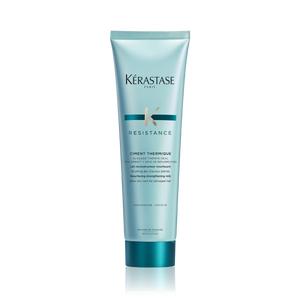
“For straight or wavy hair I always recommend a hot brush, which is like having a hair dryer and brush together, but you've got one hand free to guide the hair,” Jennie says. “I usually go for a spray over a cream for heat protection, but If your hair is frizzy, you can use a lightweight cream like Kérastase Resistance Ciment Thermique.”
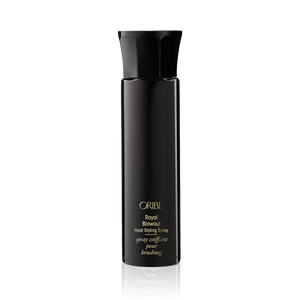
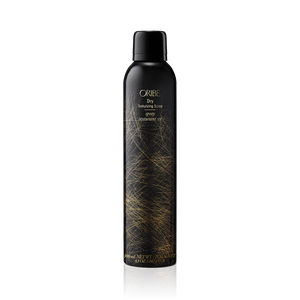
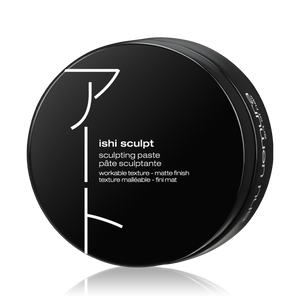
For adding volume and movement, opt for a texture spray rather than a hair spray. “You can blow dry it, then put your texture spray in which will give it hold, but it won't make it stiff. Davines Dry Texturizer is really good. A putty like Shu Uemura Ishi Sculpt is also really good for short hair if you have any frizzy bits.”

If you’re getting a fringe for the first time, Jennie suggests asking your stylist to demonstrate how best to dry and style it. “For example, when you want a fringe sweeping out to the sides, the key is blow drying it backwards, or if you blow dry a fringe in one direction then the other it turns out straight.”
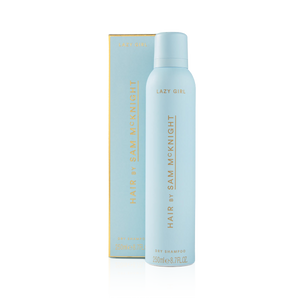
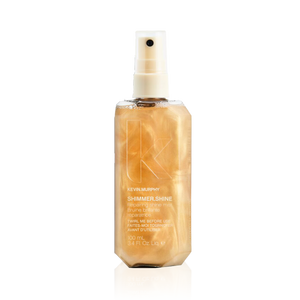
Dry shampoo is “a must-have to absorb excess oil and get a few more days out of your hair before you have to wash it,” but be very careful with serums as they can quickly make fringes look greasy. “If you do want shine I would use a very light shine spray like Kevin Murphy Shimmer.Shine.”

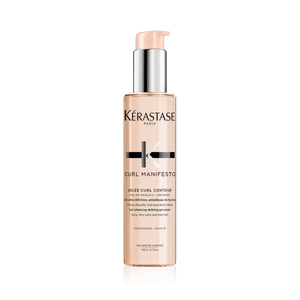
Jennie is a big fan of the Kérastase Curl Manifesto range for curly hair. “The curl cream is super lightweight. When your hair is wet, put the cream in very lightly through your hair and then blow dry or leave it to air dry.”
Paul Edmonds London: The bespoke hair specialists
Bespoke styling is part of our core philosophy at Paul Edmonds London, which is why we’re the ideal destination for a personalised haircut.
Our team of pro stylists can advise on the best versatile cut, adaptive fringe – or both – to complement your features and hair texture, so you leave the salon with a chic look that’s easy to style.
Ready to become a bixie babe? Book your next appointment at Paul Edmonds London.