Follow our expert advice for nurturing new hair growth.
Unlike hair loss, which is usually permanent, hair shedding is temporary and can be triggered by a variety of factors.
“The technical name is telogen effluvium,” says senior director Matilda Collins. “It can be caused by things like medication, diet, illness, having surgery, or using weight loss drugs.”
While some hair fall is normal as part of the growth cycle, telogen effluvium is when shedding goes beyond the usual level and affects how your hair looks and feels overall. “Because your hair is shedding a lot, the hair feels thinner, but nine times out of 10 there will be new hairs that we can see on the scalp coming through on the scalp,” says director Lizzie Hearn.
It can be worrying to experience hair thinning, but by nourishing your locks from the inside and giving them some TLC on the outside, you can “give them the best chance to survive and get thicker,” Matilda says. “That's why it's really important to make sure your scalp condition is good and get the right vitamins.”
Here, Matilda and Lizzie answer some key questions about hair thinning and explain how to cultivate healthy regrowth…
WHAT CAUSES THINNING HAIR?
To understand telogen effluvium hair thinning, it helps to understand the three phases of the hair growth cycle: anagen (growth phase, when the hair is actively growing); catagen (transition phase, when growth stops and the follicle begins to shrink; and telogen (the resting/shedding phase, when the follicle is dormant and the hair eventually falls out).
“With telogen effluvium, more hairs get put into that last phase because your body goes into panic mode and uses all your vitamin stores to keep your organs and everything else functioning, depriving the hair of nutrients,” Matilda says.
Triggers for this panic mode can be anything that affects your hormones or your vitamin levels, she explains. “Things like lacking nutrients such as iron, being unwell or having a baby. We’re seeing hair thinning with GLP-1 weight loss drugs as well, because people are eating less food, so they’re getting fewer nutrients. It's a side effect I don't think a lot of people have known about until now.”
HOW CAN YOU SUPPORT HAIR REGROWTH FROM THE INSIDE?
Some nutrients are more important than others when it comes to nourishing hair regrowth after a period of shedding.
“Iron helps to carry red blood cells and oxygen to the scalp and zinc supports follicle growth and repair, so they're two good supplements to have,” Lizzie says. “And vitamin D helps to create new follicles.”
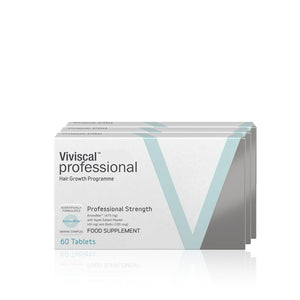
Hair growth supplements such as Viviscal are specially formulated with micronutrients that promote a strong hair follicle, Matilda says. “Most hair supplements contain biotin and vitamin D, and some include iron as well.”
It’s important to talk to your doctor before starting any new supplement, and remember that it takes time for any dietary changes to reflect in your hair, Matilda adds. “If you've had hair shedding and then upped your vitamins, it will take around three months before you start to notice the difference.”
WHY IS SCALP CARE IMPORTANT FOR HAIR REGROWTH?
As well as feeding emerging hairs with key nutrients, it’s crucial that your scalp is healthy enough to provide the right growing environment.
“If there’s a lot of build-up on the scalp, it can constrict the follicles, so the hair can’t get through, or it’s less dense and more likely to snap when it does,” Matilda says. “So it's about keeping the scalp as clear and clean as possible.”
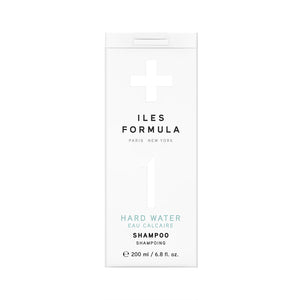
Build-up could be due to dandruff or “constantly using styling products like gels or dry shampoo on the scalp,” Lizzie says. “In London, pollution and hard water particles can wrap around your hair follicle too.”
The best way to diagnose issues at the follicular level is with a scalp consultation in salon, Matilda says. “With the tricho camera we can look closely to see if there’s any build-up around the hair follicles and do targeted treatments or advise a client to see a trichologist if necessary.” She often recommends following up with an Oway scalp treatment, which “helps with rebalancing if you've got an oily scalp, psoriasis or dandruff.”
HOW CAN YOUR HAIRCUT AND COLOUR CREATE THE APPEARANCE OF FULLER HAIR?
One often overlooked aspect of hair thinning is the impact of cut and colour on the overall appearance as your hair growth returns.
“When their hair is shedding and thinning, people are often scared to get it cut because they think, ‘I’ve got less hair and I don't want to go shorter,’ but it is really important to keep the ends healthy,” Lizzie says. If split ends aren’t cut off, they can run up the length of the strand, making it more likely to break.
Similarly, regular trims or shaping can help to create a more cohesive look, Matilda says. “If the ends are wispy, we always try to make the hair look as thick and full as possible while the regrowth is catching up. Especially if it's along the hairline, then we might suggest people go for bangs or fringe pieces so that the gap isn’t as obvious.”
As for colour, a great option for protecting delicate regrowth is Airtouch. “With Airtouch, the colourist uses a hair dryer to blow back the shortest hairs at the root, so it creates a natural-looking root and means the baby hairs don't get touched.”
If you’ve experienced hair thinning due to medication, be sure to tell your colourist that medicine you are taking, Matilda adds. “With certain medications, they are deposited in the hair, so the colour doesn't take, or it can turn a funny shade.”
WHAT ARE THE BEST PRODUCTS FOR HEALTHY HAIR REGROWTH AFTER THINNING?

The optimal combination of shampoo and conditioner, scalp treatment, and styling products will support new hair growth after shedding.
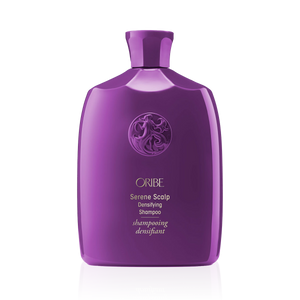
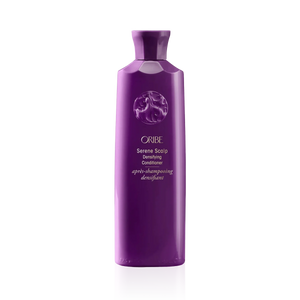
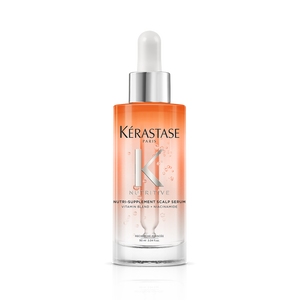
From the Davines Naturaltech range, Lizzie recommends the Purifying Shampoo to get rid of scalp build-up, while Matilda highlights the Renewing shampoo and conditioner for “giving new baby hairs as much nourishment as possible.” She also recommends the Oribe Serene Scalp Densifying range for “adding volume and density to thinning hair” and the Kérastase Nutritive Moisturising Scalp Serum. “If your scalp is a bit dry, this will help to give as much moisture as possible as the new hairs come through.”


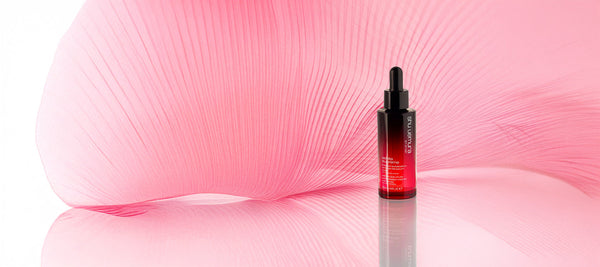
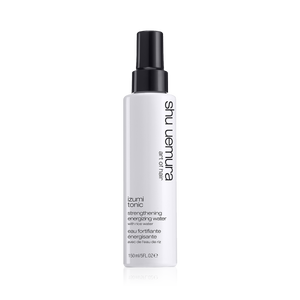
To boost the density of your strands, try the Davines Naturaltech Energizing Thickening Tonic or Shu Uemura Izumi Tonic. “They help with split ends and thickening, so they’re great to use while those new hairs are coming.”
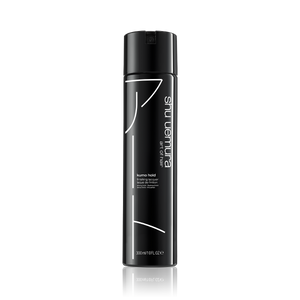
When new growth comes through, the shorter hairs can stick up as they don’t have enough weight to lie flat, but styling products can help tame them. “The new Oribe Supershine Smoothing Wax Stick is perfect for clients who don't want to use oils close to their roots. Another tip is to spray a comb with hair spray and then comb the baby hairs to hold them down. Shu Uemura Kumo Hold is my go-to.”


FREQUENTLY ASKED QUESTIONS
Q: Can salons help support healthier hair regrowth?
A: Yes, hairdressers can identify scalp problems and other issues which might be preventing healthy regrowth. They can also recommend a haircut and colour to create fuller hair, and advise on the best products to encourage regrowth.
Q: Does scalp health affect regrowth?
A: Yes, an unhealthy scalp with lots of dandruff, pollution, hard water or product build-up can block hair follicles and restrict regrowth.
Q: What products are best for supporting regrowth?
A: The best products for supporting regrowth are shampoo and conditioner for scalp cleansing or nourishing new hair growth, scalp serums and thickening tonics.
Heal your hair at Paul Edmonds London
If you’ve experienced hair shedding or thinning, the team at Paul Edmonds London are here to support you on your hair health journey.
From in-depth scalp analysis and targeted treatments to cut, colour and product recommendations, our experts will help you get your tresses back to their best.
Why not try one of our nourishing hair and scalp treatments at Paul Edmonds London.