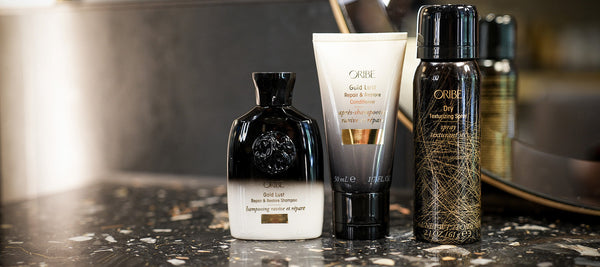
Because who doesn’t want strong, shiny strands?
No matter the colour, texture or style of your hair, the ultimate sign that it’s in great condition comes down to how glossy your strands appear. Part of the understated luxury lifestyle trend that values health and wellbeing over logos and material possessions, glossy hair has become a low-key status symbol on a par with a tote bag from The Row or a head-to-toe Loro Piana look.
“Even when people texturise or wave their hair, they want there to be that element of shine, because that means your hair's moisturised,” says Sonia Surani, senior colourist at Paul Edmonds London. “It looks and feels more expensive.”
Glossy locks are also a red carpet mainstay – Demi Moore rocking the ‘glass hair’ trend with her ultra-long chocolate brown mane at this year’s Oscars, for example – and that’s why blow-dry appointments that deliver celeb-worthy shine have become so popular.
“Everyone wants to achieve super-shiny, reflective hair,” says Sonia, but you’ve got to look after your hair to maintain that kind of lustre in the long-term. “As soon as you shampoo your hair and rough dry it, the condition won’t feel like it did after the blow-dry.”
So how can you create shine that lasts? Here, Sonia explains the do’s and don’ts of healthy-looking hair, and the treatments and products you need to get your glossiest ever locks…
WHAT MAKES HAIR LOOK GLOSSY?
When hair looks shiny, it’s because light hits the cuticle – the outer layer of the hair shaft, which is made of keratin cells that resemble fish scales – and bounces off again.
“Light reflects off it when the ‘scales’ of the cuticle are laid down flat, which either means the hair is really healthy or it’s had the help of cosmetic colour or shine treatments,” Sonia says. “Even if you have textured or curly hair, if the cuticle is lying flat and it's locked in the moisture, then you'll still get a natural shine in your hair.”
Water (which is alkaline on the pH spectrum) causes the cuticles to lift, while blow-drying removes the moisture and makes them close again, but over time heat styling can damage the ‘scales’ so they chip and don’t reflect light as well.
There are lots of other factors that increase alkalinity and dull your shine, including colouring your hair (in particular lightening or bleaching), sun exposure, brushing or toweling too roughly, and washing hair too frequently or with hard water.
Scalp health is another important element. “If the follicles on your scalp are clear, the hair growing out of it will be a lot healthier, so it's about keeping the scalp cleansed,” Sonia says.
At the other end of the strand, split ends are also a sign of damage. “If you've got split ends you're not going to get that shine through the last couple of inches, and if you're not getting your hair cut the splits can grow higher and higher.” That’s why regular trims are a must, to stop the whole strand splitting.
HOW CAN HAIR TREATMENTS CREATE GLOSSY HAIR?

A salon treatment is the best option for repairing the cuticle, locking in moisture and boosting shine. These treatments can be tailored and alternated depending on the condition and colour of your hair.
If you live in a hard water area like London, the L’Oreal Metal Detox treatment will remove excess metal particles that are clogging the cuticles, Sonia says. “Then you could go in with Kérastase Premiere because it also removes mineral deposits and then puts the shine back in.”
For a more intensive option, a hair gloss (also known as a glaze) is an acidic treatment which balances the pH of the hair, causing the cuticle to contract and filling in gaps to create an ultra-smooth surface.
Glosses can either be clear or with colour, Sonia explains. “A clear gloss is like toner but without colour. It’s ideal for virgin hair. Colour gloss creates the same amount of shine but it contains pigment so can help to neutralise any brassiness or unwanted tones in the hair, or if you want to tone the hair slightly darker.”
The gloss deposits a layer on the hair which washes out gradually. If you have all-over tinted colour every eight weeks, Sonia recommends a gloss every four weeks to maintain your tone and shine. “If you have highlights, balayage or any lightening treatment, I would say a gloss every month and a half to two months.”
HOW TO INCREASE SHINE WITH YOUR HAIRCARE ROUTINE
The key to protecting your hair health at home is to look after your scalp and minimise damage caused by styling and other external factors.
“Two shampoos on the scalp and then conditioner on the lengths,” is Sonia’s advice for effective scalp cleansing, choosing products according to your hair type, followed by a hair mask or glaze product.
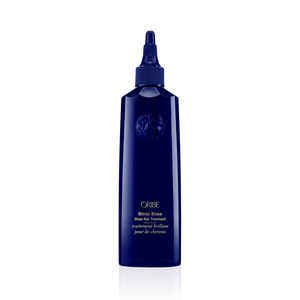
Her favourite shine-enhancing ranges are Kérastase Gloss Absolu and Oribe Supershine, which includes the ultra-hydrating Mirror Rinse Glass Treatment, to be used in place of conditioner.
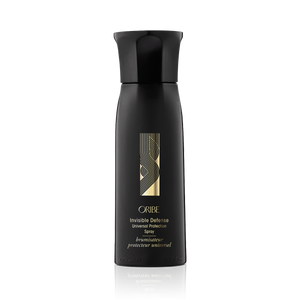
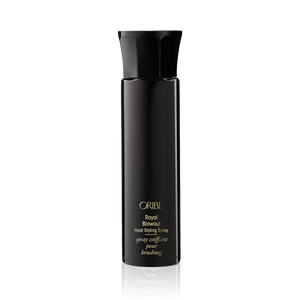
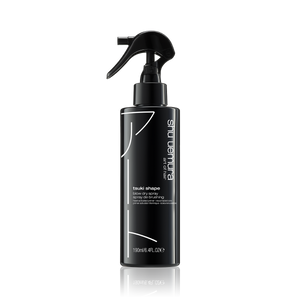
Heat protection before styling is also important, and at Paul Edmonds London we’ve got a range for different hair needs. “Oribe Invisible Defence Universal Spray is a really good all-rounder and they also have Royal Blowout if you want something slightly heavier,” Sonia says. “Shu Uemura Tsuki Shape is great for wavy hair, and Kérastase Nutritive Nectar Thermique Blow Dry Primer is great for de-frizzing plus heat protection.”
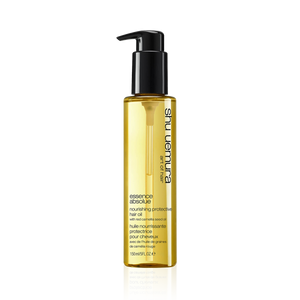
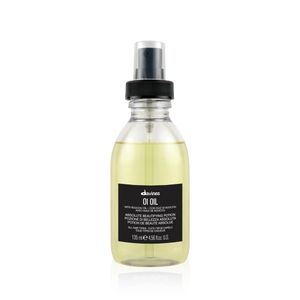
For your final styling step, a few drops of serum will add an extra coat of light-reflecting shine. “I always apply to dry hair. The Shu Uemura Ultimate Reset Extreme Repair Concentrate helps to close the cuticle because it’s acidic. I also really like the Davines OI Oil or the Kérastase Gloss Absolu Glaze Drops.”





FREQUENTLY ASKED QUESTIONS
Q: What is a hair gloss treatment?
A: A hair gloss is an acidic treatment that closes the hair cuticle to boost shine. It helps balance the hair's pH, seals moisture into the strand and creates a smoother surface that reflects more light. Available in clear or coloured formulas, it gradually washes out over time.
Q: How do you make hair look glossy naturally?
A: Healthy, hydrated hair reflects the most light. Cleanse your scalp thoroughly, condition your lengths and use a weekly hair mask to maintain moisture. Protect hair from heat styling, avoid over-washing and have regular trims to remove split ends so hair stays smooth, healthy and naturally glossy.
Q: What’s the difference between clear gloss and colour gloss?
A: A clear gloss enhances shine without affecting your natural or existing hair colour, making it ideal for virgin hair. A colour gloss delivers the same glossy finish while depositing pigment to refresh colour, neutralise brassiness or subtly deepen your shade between salon colour appointments.
Q: What are the best products for shiny hair?
A: To promote glossy hair at home, your routine should include a hydrating shampoo and conditioner, a nourishing mask or glaze treatment, a heat protector and a shine serum.
Shine bright
Glossy hair is at the top of everyone’s beauty wishlist, but it’s not always easy to achieve when your strands have to cope with heat styling, colouring, UV rays and hard water.
By protecting against harmful elements, nourishing your tresses with hydrating products and getting regular gloss treatments, you can boost your hair health and get gorgeously glossy locks.
Need an instant shot of shine? Book a gloss treatment at Paul Edmonds London.